
The SVRI Forum 2026 opening plenary brings together survivor-leaders, activists, researchers and government to show how evidence becomes law, protection and change. It asks a simple question at the heart of the Forum: What did the evidence make possible?
Speakers
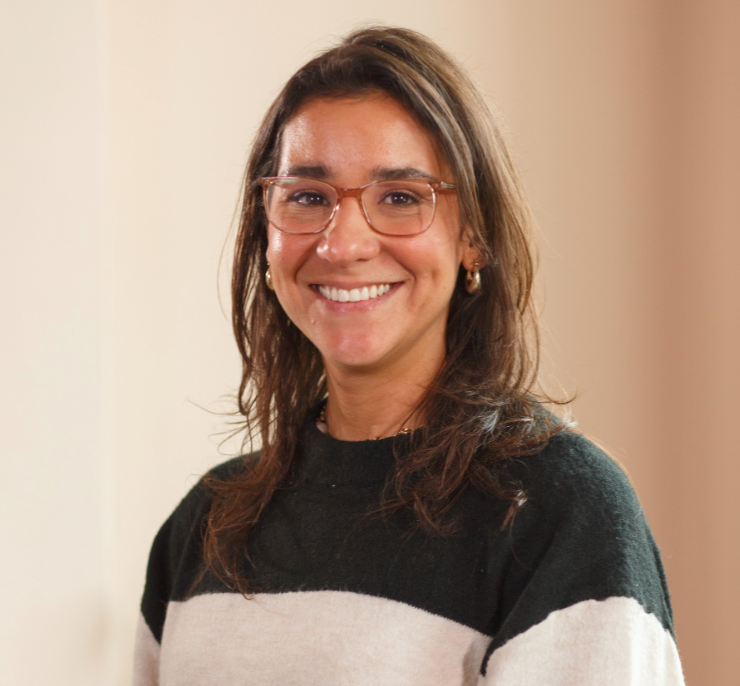
Joanna Maranhão, Brazil
Olympic swimmer, survivor advocate, coordinator of the Athletes’ Network for Safer Sports
Joanna Maranhão is a Brazilian Olympic swimmer, survivor advocate and researcher, and coordinator of the Athletes’ Network for Safer Sports at the Sport & Rights Alliance. She competed in four Olympic Games and won eight medals at the Pan American Games. Abused by her childhood coach at the age of nine, she went public with her story in 2008 and led the campaign that created the law now bearing her name, which extended Brazil’s statute of limitations for survivors of child sexual abuse. She holds a Master’s in Sports Ethics and Integrity and today coordinates a network composed of athletes survivors of abuse in sport together with a mission to create and strengthen safe spaces for people affected by abuse in sport promoting healing, amplifying each other’s voice, and advocating for systemic change.
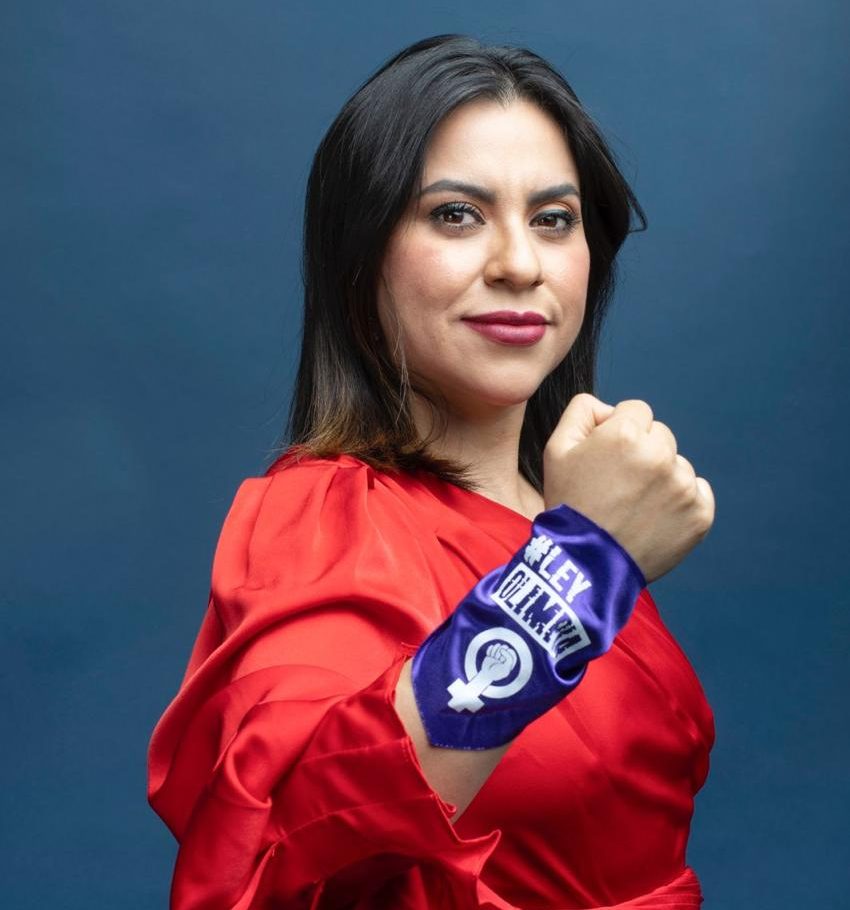
Olimpia Coral Melo, Mexico
Advocate for violence-free digital spaces for women and girls. Founder of Defensoras Digitales de Latinoamérica
Olimpia Coral Melo is a Mexican advocate for digital spaces free from violence. Her advocacy work gave rise to the “Ley Olimpia” (Olimpia Law), a set of legal reforms aimed at recognising, preventing and sanctioning digital sexual violence, including the non-consensual distribution of intimate images. After experiencing abuse related to the dissemination of intimate images when she was young, Olimpia spent years campaigning for legal and social change. Her advocacy contributed to the adoption of these reforms at both state and national levels in Mexico, and her work has served as a reference for similar legislative efforts across the Americas. She founded Defensoras Digitales de América Latina, an initiative dedicated to supporting women who have experienced digital violence and to advancing women’s digital rights through advocacy, accompaniment, prevention and public policy. In 2021, TIME magazine named her one of the 100 most influential people in the world, and Forbes has recognised her as one of the most powerful women in Mexico.
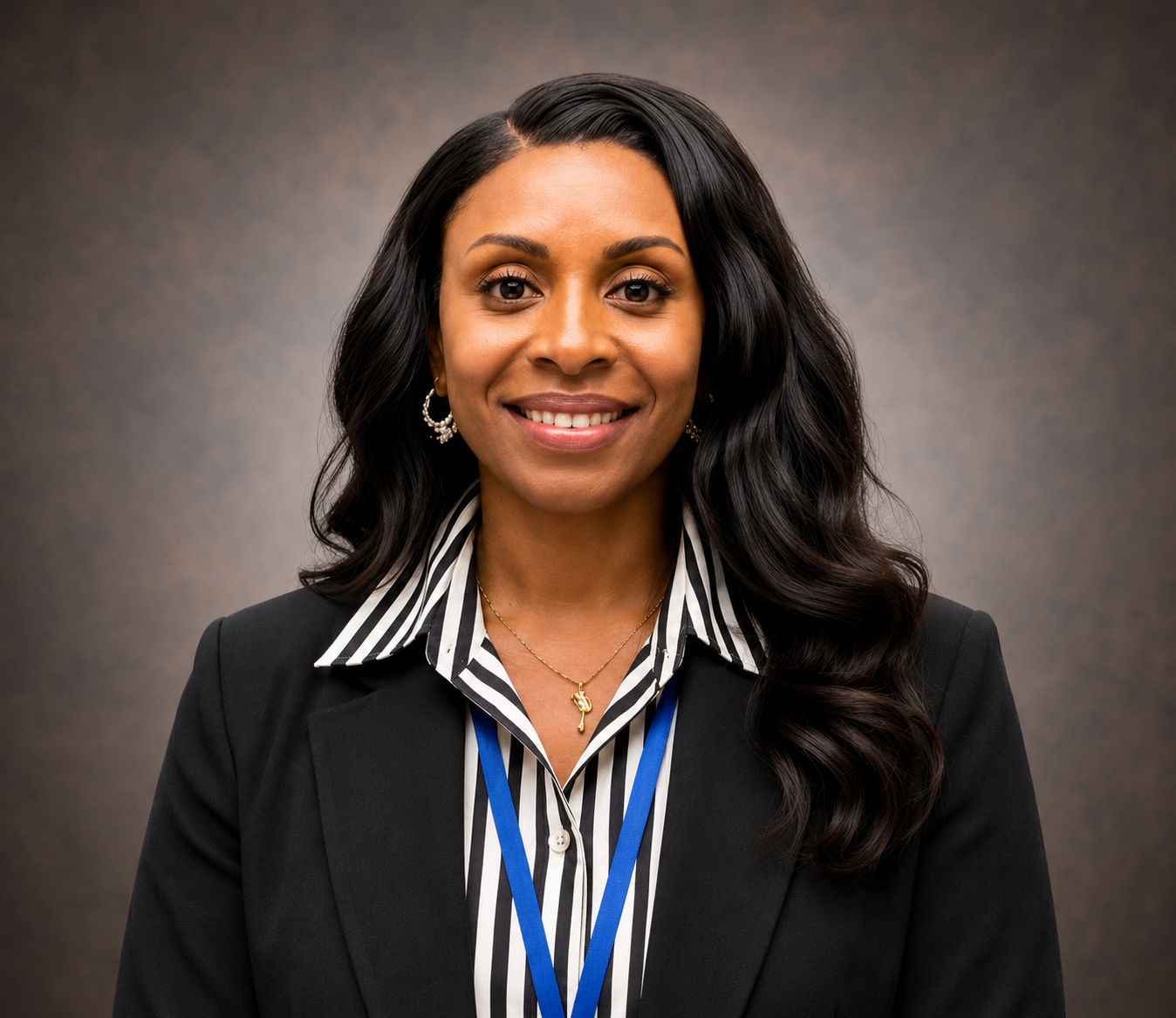
Diane kambaneI, Papua New Guinea
Director of the National Gender-Based Violence Secretariat, Papua New Guinea
Diane Kambanei is Director of Papua New Guinea’s National Gender-Based Violence Secretariat, within the Department for Community Development, Religion and Youth. She leads coordination of the country’s national strategy to prevent and respond to gender-based violence, working across national and provincial government, civil society and development partners. She has been a prominent public voice on the threat that technology-facilitated abuse poses to young women in Papua New Guinea, and on strengthening safe-house and survivor services nationwide. She supported a 5000-person nation-wide survey on GBV coupled with regional listening tours to ensure that PNG’s recently endorsed strategy is grounded in facts and the voices of survivors and frontline workers.
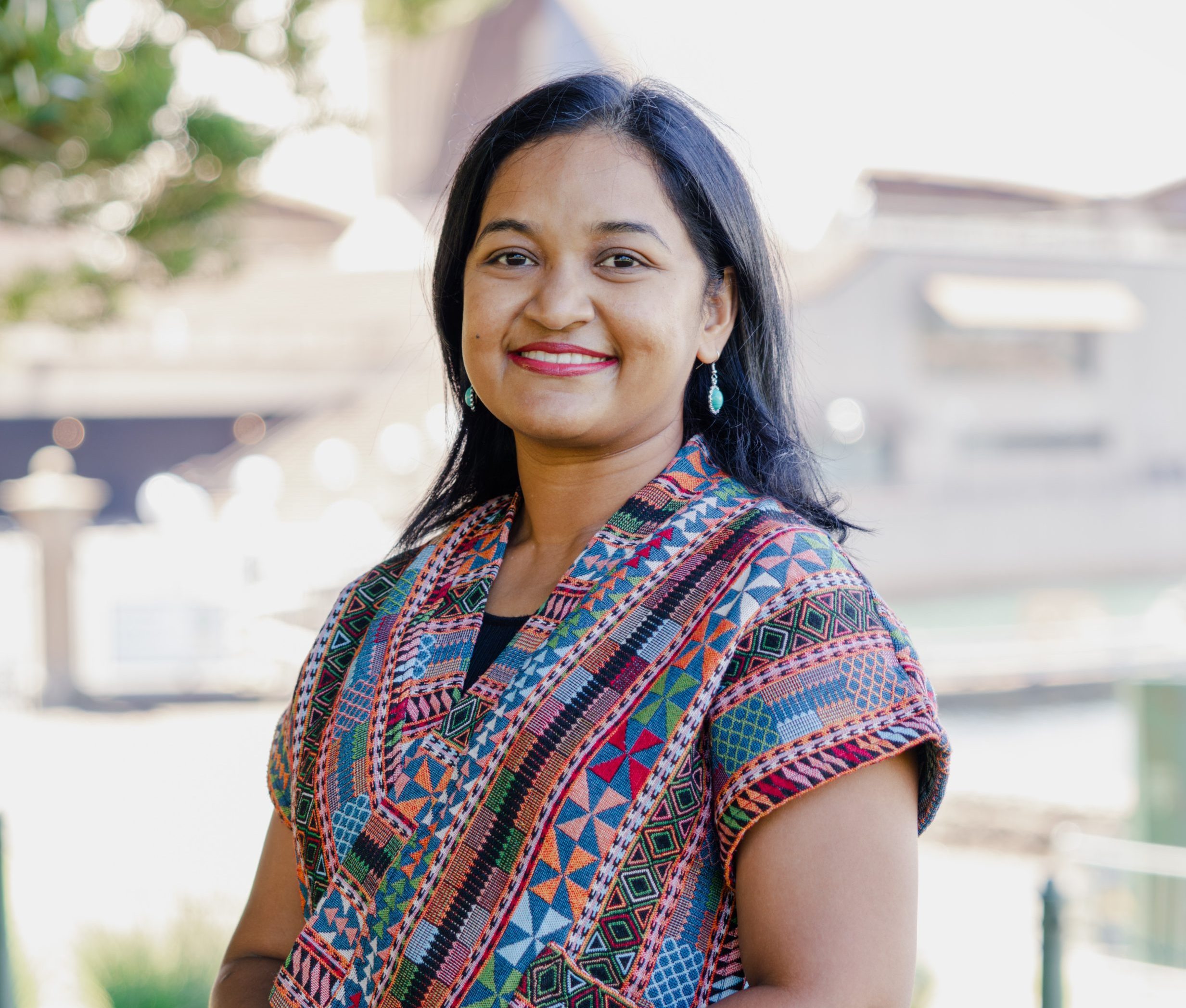
Dr. Betty Barkha, Australia/Fiji
Gender, Disability and Social Inclusion Technical Advisor, Save the Children
Dr. Betty Barkha is an international development expert focused on gender equality, disability and social inclusion, and Technical Advisor on Gender Equality, Disability and Social Inclusion for Save the Children in the Pacific, where she helps implement two of the region’s largest Green Climate Fund-supported climate adaptation projects. A long-standing advocate for women’s rights, she was the inaugural co-chair of the International Women’s Development Agency board and has served on the boards of CIVICUS and AWID.
Facilitator

Saijai Liangpunsakul, Thailand
Founder of Stop Online Harm
Saijai Liangpunsakul is the Founder and CEO of Stop Online Harm, a women-led organisation ending technology-facilitated gender-based violence across Southeast Asia. Its initiative, the Online Ambulance, has supported over 1,000 survivors in the region and it has reached more than 7 million people with its online safety resources. Previously, Saijai founded the Myanmar Witness project, collecting evidence of human rights abuses. She has held a fellowship at Harvard’s Ash Center and works with UNDP on preventing online violence and extremism across Asia.